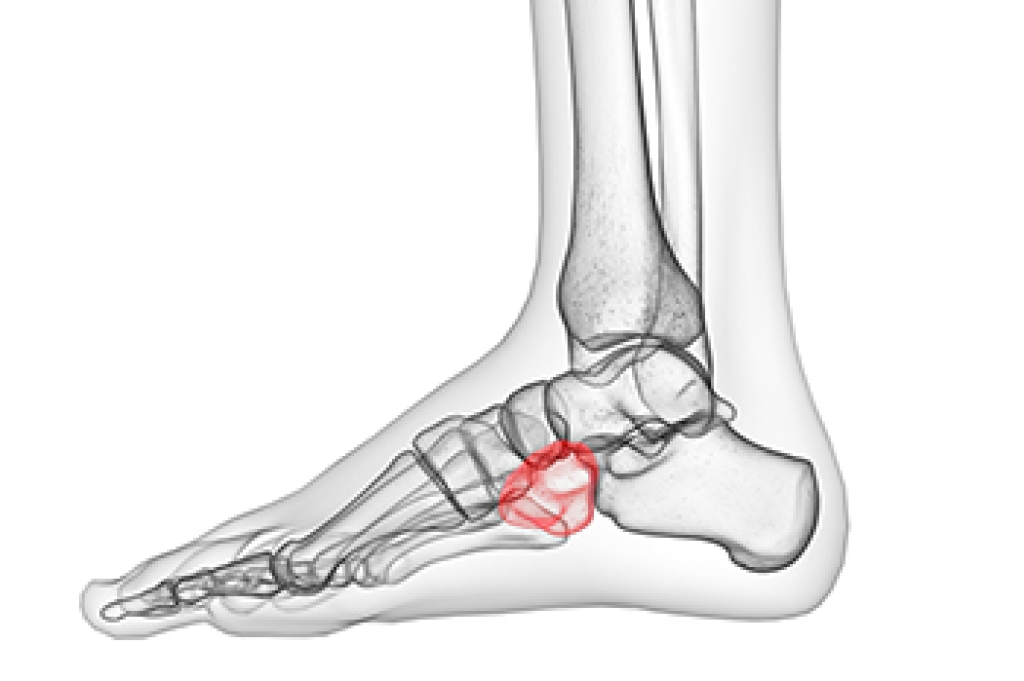
Cuboid syndrome can cause stubborn pain along the outside of the foot, especially after an injury or demanding activity. The cuboid is a small bone in the midfoot that helps connect the heel area with the front of the foot. When this bone becomes irritated or moves out of its normal position, discomfort can develop. People may notice tenderness, aching, or pain while placing weight on the foot.
One common cause is an ankle sprain. The force from an injury can affect the position of the cuboid and surrounding tissues. Repetitive stress can also contribute, particularly during running, jumping, or sports that require frequent changes in direction. Risk factors include ankle instability, sudden increases in exercise, and wearing shoes that do not provide enough support. Flat feet or high arches may also change pressure across the outer midfoot.
During an evaluation, a podiatrist will ask about the injury or activity that preceded the symptoms. The foot will be examined for tenderness, swelling, and changes in alignment. X-rays or other imaging may be used when a fracture or another problem needs to be excluded. Treatment may include rest from aggravating activities, padding, or taping. In some cases, the podiatrist may perform a careful cuboid manipulation to restore normal positioning.
Cuboid syndrome usually affects the outer portion of the midfoot, near the cuboid bone between the heel and smaller toes. The discomfort may feel like a deep ache or a sharp pain during forceful push-off movements. Some people notice symptoms more strongly while walking on an uneven surface or standing for long periods. Since foot pain can have several causes, it is important to obtain an accurate diagnosis. If symptoms of cuboid syndrome continue, it is suggested that you consult a podiatrist for an accurate diagnosis and appropriate treatment.
Cuboid syndrome, also known as cuboid subluxation, occurs when the joints and ligaments near the cuboid bone in the foot become torn. If you have cuboid syndrome, consult with Susan Yeager, DPM from Yeager Foot and Ankle Center. Our doctor will assess your condition and provide you with quality foot and ankle treatment.
Cuboid syndrome is a common cause of lateral foot pain, which is pain on the outside of the foot. The condition may happen suddenly due to an ankle sprain, or it may develop slowly overtime from repetitive tension through the bone and surrounding structures.
Causes
The most common causes of cuboid syndrome include:
- Injury – The most common cause of this ailment is an ankle sprain.
- Repetitive Strain – Tension placed through the peroneus longus muscle from repetitive activities such as jumping and running may cause excessive traction on the bone causing it to sublux.
- Altered Foot Biomechanics – Most people suffering from cuboid subluxation have flat feet.
Symptoms
A common symptom of cuboid syndrome is pain along the outside of the foot which can be felt in the ankle and toes. This pain may create walking difficulties and may cause those with the condition to walk with a limp.
Diagnosis
Diagnosis of cuboid syndrome is often difficult, and it is often misdiagnosed. X-rays, MRIs and CT scans often fail to properly show the cuboid subluxation. Although there isn’t a specific test used to diagnose cuboid syndrome, your podiatrist will usually check if pain is felt while pressing firmly on the cuboid bone of your foot.
Treatment
Just as the range of causes varies widely, so do treatments. Some more common treatments are ice therapy, rest, exercise, taping, and orthotics.
If you have any questions, please feel free to contact our office located in Redding, CA . We offer the newest diagnostic and treatment technologies for all your foot care needs.
