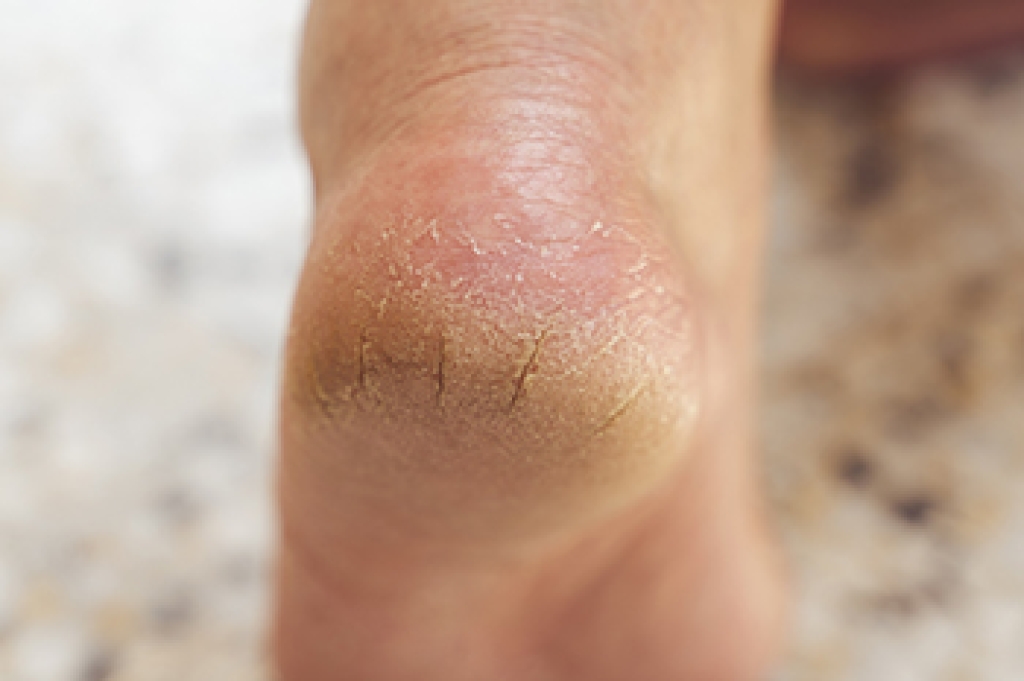
Symptoms and Causes of Heel Fissures

Heel fissures are deep cracks that form in the thick skin on the back of the heel. These cracks often begin as dry, flaky areas that may widen, causing pain, bleeding, or difficulty walking. In severe cases, the skin may split deeply enough to expose sensitive tissue and increase the risk of infection. Common causes of heel fissures include prolonged standing, excess body weight, wearing open-backed shoes, and frequently walking barefoot. Dry climates and reduced sweat gland activity can also lead to rough, hardened skin. Diabetes, eczema, poor circulation, and fungal infections like athlete’s foot, also may raise the likelihood of developing heel fissures. Over time, repeated pressure on the heel can worsen the cracks and affect balance or stability. A podiatrist can assess skin health, identify underlying conditions, and recommend supportive footwear or custom orthotics to improve pressure distribution. If you have painful cracked heels, it is suggested that you make an appointment with a podiatrist for an exam, diagnosis, and treatment.

Cracked heels are unsightly and can cause further damage to your shoes and feet. If you have any concerns, contact Susan Yeager, DPM from Yeager Foot and Ankle Center. Our doctor can provide the care you need to keep you pain-free and on your feet.

Cracked Heels

Cracked heels appear unappealing and can make it harder for you walk around in sandals. Aside from looking unpleasant, cracked heels can also tear stockings, socks, and wear out your shoes. There are several methods to help restore a cracked heel and prevent further damage.

How Do You Get Them?

Dry skin is the number one culprit in creating cracked heels. Many athletes, walkers, joggers, and even swimmers suffer from cracked heels. Age and skin oil production play a role to getting cracked heels as well.

Promote Healing

Over the counter medicines can help, especially for those that need instant relief or who suffer from chronic dry feet.

Wear Socks – Wearing socks with medicated creams helps lock in moisture.

Moisturizers – Applying both day and night will help alleviate dryness which causes cracking.

Pumice Stones – These exfoliate and remove dead skin, which allows for smoother moisturizer application and better absorption into the skin. 

Change in Diet

Eating healthy with a well-balanced diet will give the skin a fresh and radiant look. Your body responds to the kinds of food you ingest. Omega-3 fatty acids and zinc supplements can also revitalize skin tissue.

Most importantly, seek professional help if unsure how to proceed in treating cracked heels. A podiatrist will help you with any questions or information needed. 

If you have any questions, please feel free to contact our office located in Redding, CA . We offer the newest diagnostic and treatment technologies for all your foot care needs.
Read more about Solutions for Cracked Heels

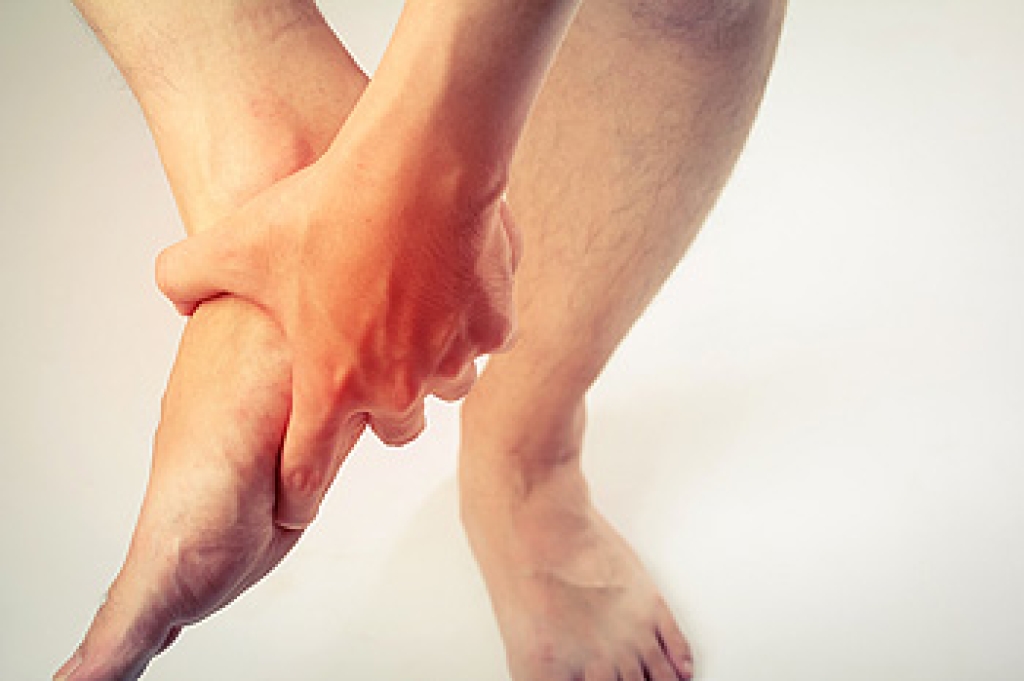
Hidden Cause of Heel Pain

Heel pain is often linked to plantar fasciitis, but some hidden causes are frequently overlooked. One example is Baxter’s nerve entrapment, which may account for a significant portion of long-lasting heel pain. This condition occurs when a small nerve in the heel becomes compressed or trapped by nearby tissues. Nerves carry signals that control feeling and movement, so when one becomes irritated, it can cause burning pain, numbness, or tingling in the heel. Symptoms may worsen after activities that involve repeated heel impact, like running or long periods of walking. People with flat feet, overpronation, or tight footwear may face a higher risk. Bone spurs, swelling, or muscle pressure can also narrow the space around the nerve. A podiatrist can evaluate heel pain through a detailed exam, medical history, and imaging when necessary to identify the exact cause. If you have heel pain, it is suggested that you make an appointment with a podiatrist for an exam, diagnosis, and treatment.

Many people suffer from bouts of heel pain. For more information, contact Susan Yeager, DPM of Yeager Foot and Ankle Center. Our doctor can provide the care you need to keep you pain-free and on your feet.

Causes of Heel Pain

Heel pain is often associated with plantar fasciitis. The plantar fascia is a band of tissues that extends along the bottom of the foot. A rip or tear in this ligament can cause inflammation of the tissue.

Achilles tendonitis is another cause of heel pain. Inflammation of the Achilles tendon will cause pain from fractures and muscle tearing. Lack of flexibility is also another symptom.

Heel spurs are another cause of pain. When the tissues of the plantar fascia undergo a great deal of stress, it can lead to ligament separation from the heel bone, causing heel spurs.

Why Might Heel Pain Occur?

  • Wearing ill-fitting shoes                
  • Wearing non-supportive shoes
  • Weight change           
  • Excessive running

Treatments

Heel pain should be treated as soon as possible for immediate results. Keeping your feet in a stress-free environment will help. If you suffer from Achilles tendonitis or plantar fasciitis, applying ice will reduce the swelling. Stretching before an exercise like running will help the muscles. Using all these tips will help make heel pain a condition of the past.

If you have any questions, please feel free to contact our office located in Redding, CA . We offer the newest diagnostic and treatment technologies for all your foot care needs.

Read more about Heel Pain

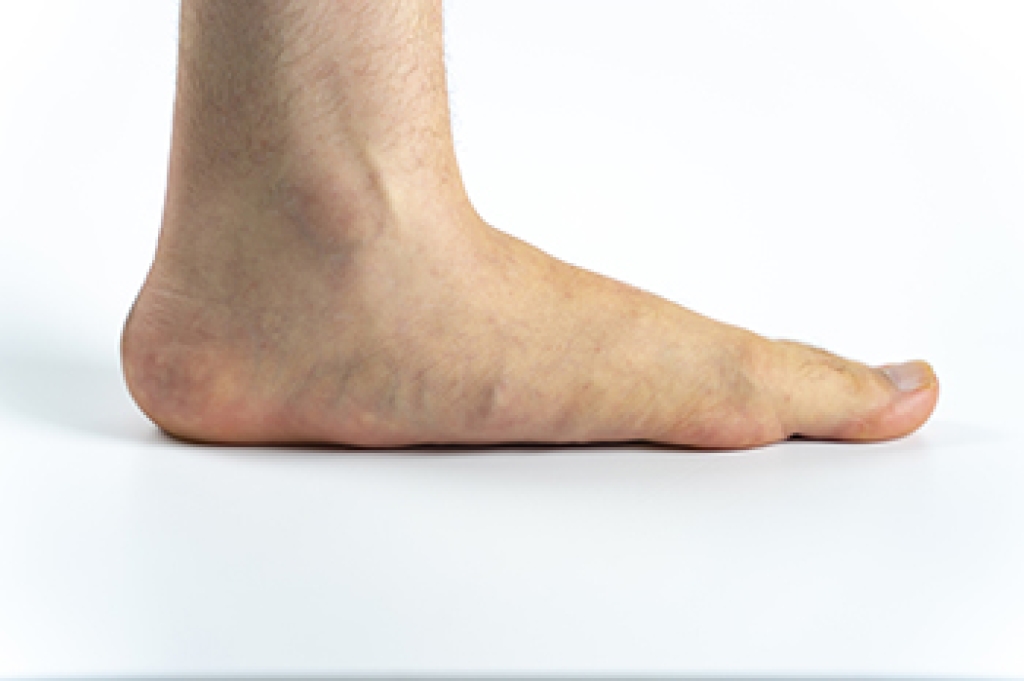
Flat Feet Causes

Flat feet, also known as fallen arches, describe a condition in which the arch of the foot collapses, causing the entire sole to touch the ground. This may occur due to genetics, aging, injury, obesity, or weakened tendons. There are two types of flat feet, known as flexible and rigid. Signs of flexible flat feet are where the arch appears when sitting, but flattens when standing, and rigid flat feet happens when the arch is absent at all times, limiting movement. Symptoms can include foot pain, swelling, fatigue, ankle instability and discomfort in the knees, hips or lower back. Risk factors include family history, diabetes, and previous trauma. A podiatrist can evaluate structure and gait, and recommend orthotics or supportive footwear. If you have flat feet, it is suggested that you consult a podiatrist who can offer you appropriate management solutions.

Flatfoot is a condition many people suffer from. If you have flat feet, contact Susan Yeager, DPM from Yeager Foot and Ankle Center. Our doctor will treat your foot and ankle needs.

What Are Flat Feet?

Flatfoot is a condition in which the arch of the foot is depressed and the sole of the foot is almost completely in contact with the ground. About 20-30% of the population generally has flat feet because their arches never formed during growth.

Conditions & Problems:

Having flat feet makes it difficult to run or walk because of the stress placed on the ankles.

Alignment – The general alignment of your legs can be disrupted, because the ankles move inward which can cause major discomfort.

Knees – If you have complications with your knees, flat feet can be a contributor to arthritis in that area.  

Symptoms

  • Pain around the heel or arch area
  • Trouble standing on the tip toe
  • Swelling around the inside of the ankle
  • Flat look to one or both feet
  • Having your shoes feel uneven when worn

Treatment

If you are experiencing pain and stress on the foot you may weaken the posterior tibial tendon, which runs around the inside of the ankle. 

If you have any questions, please feel free to contact our office located in Redding, CA . We offer the newest diagnostic and treatment technologies for all your foot care needs.

Read more about Flat Feet

Do You Suffer From Painful Feet?

Painful deformities, such as hammertoes, can be treated. Stop living with foot pain, and have beautiful feet again!

Foot and Ankle Injuries Common in Runners

Running places repeated stress on the 26 bones and numerous joints, tendons, and ligaments in the foot and ankle, which can lead to overuse injuries. Plantar fasciitis occurs when the thick band of tissue along the bottom of the foot becomes irritated, causing sharp heel pain. Achilles tendinopathy involves damage to the tendon that connects the calf muscles to the heel, leading to stiffness and pain at the back of the ankle. Metatarsalgia, or pain in the ball of the foot, is usually caused by excess pressure on the long bones behind the toes. Stress fractures are small cracks in these bones that develop from repetitive impact and may cause swelling and tenderness. A podiatrist can order diagnostic imaging and prescribe custom orthotic devices or other medical treatment to reduce pain and support healing. If you have foot or ankle pain after running, it is suggested that you make an appointment with a podiatrist for an exam, diagnosis, and treatment.

All runners should take extra precaution when trying to avoid injury. If you have any concerns about your feet, contact Susan Yeager, DPM of Yeager Foot and Ankle Center. Our doctor will treat your foot and ankle needs.

How to Prevent Running Injuries

There are a lot of mistakes a runner can make prior to a workout that can induce injury. A lot of athletes tend to overstretch before running, instead of saving those workouts for a post-run routine. Deep lunges and hand-to-toe hamstring pulls should be performed after a workout instead of during a warmup. Another common mistake is jumping into an intense routine before your body is physically prepared for it. You should try to ease your way into long-distance running instead of forcing yourself to rush into it.

More Tips for Preventing Injury

  • Incorporate Strength Training into Workouts - This will help improve the body’s overall athleticism
  • Improve and Maintain Your Flexibility – Stretching everyday will help improve overall performance
  • “Warm Up” Before Running and “Cool Down” Afterward – A warm up of 5-10 minutes helps get rid of lactic acid in the muscles and prevents delayed muscle soreness
  • Cross-Training is Crucial
  • Wear Proper Running Shoes
  • Have a Formal Gait Analysis – Poor biomechanics can easily cause injury

If you have any questions, please feel free to contact our office located in Redding, CA . We offer the newest diagnostic and treatment technologies for all your foot care needs.

Read more about Preventing Running Injuries

Connect With Us

scroll to top