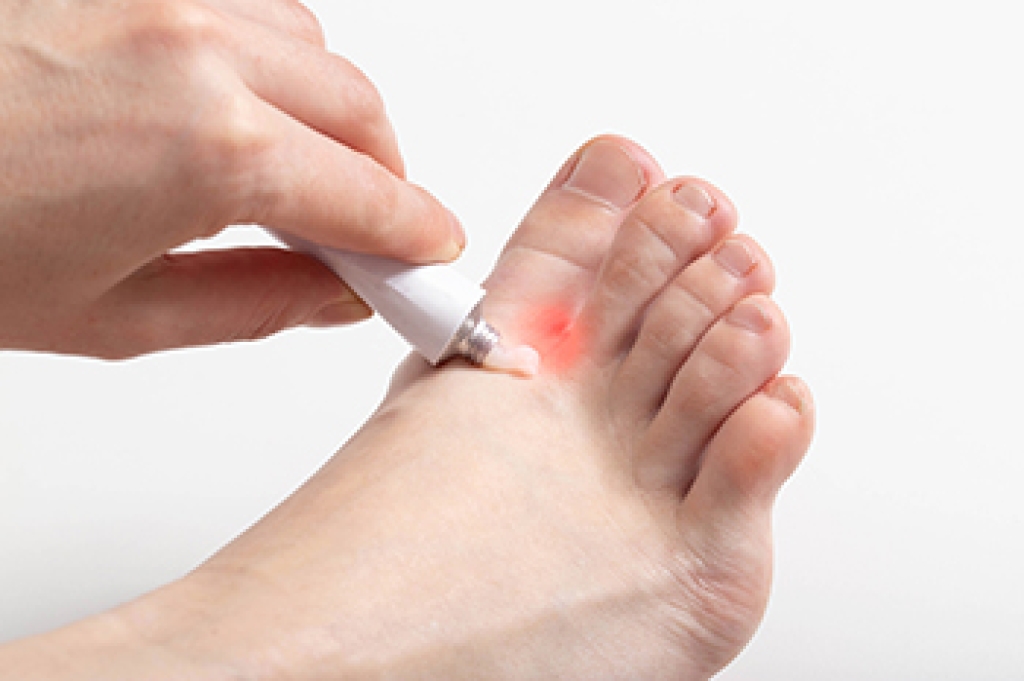
Athlete’s foot is a fungal infection that affects the skin of the feet, especially between the toes and along the soles. It develops when fungi grow in warm, moist environments, making sweaty shoes and damp socks ideal conditions for infection. Although the condition is often associated with athletes, anyone can develop athlete’s foot. The infection may begin with mild irritation, but can become uncomfortable without proper care. Recognizing the early signs and understanding what causes athlete’s foot can help you seek podiatric treatment before the infection spreads or becomes more difficult to manage.
Athlete’s foot symptoms vary depending on the affected area and severity of the infection. Common signs include itching between the toes, burning sensations, and peeling skin. Some people develop redness or small cracks that make walking uncomfortable. In other cases, the skin becomes dry and scaly along the soles or sides of the feet. Blisters may also appear, particularly during more severe outbreaks. Because the skin can crack, bacteria may enter through these openings and cause additional infection. If redness spreads, swelling develops, or the foot becomes increasingly painful, prompt medical evaluation is important. This is especially true for people with diabetes or circulation problems.
Several risk factors increase the likelihood of developing athlete’s foot. Wearing tight shoes that trap moisture can encourage fungal growth. Walking barefoot in shared showers or locker rooms increases exposure to infectious fungi. Sweating heavily and leaving feet damp after bathing can also contribute. Sharing towels or footwear with someone who has been infected may spread the fungus. People with previous fungal infections may experience repeated outbreaks, particularly when their feet remain warm and moist for long periods. Keeping feet clean and dry, changing socks regularly, and wearing shower shoes in communal areas can help reduce the risk of infection.
A podiatrist can diagnose athlete’s foot by examining the affected skin and reviewing your symptoms. When necessary, a small skin scraping may be examined to confirm the presence of fungus and rule out other skin conditions. Treatment may include prescription antifungal creams or oral medication when the infection is severe or persistent. Your podiatrist may also recommend keeping the feet dry, changing footwear habits, and cleaning shoes to reduce reinfection. Avoid scratching affected areas because damaged skin can increase the risk of complications. Early treatment relieves discomfort and helps prevent the infection from spreading to toenails or other areas. If you have symptoms of athlete’s foot, it is suggested that you consult a podiatrist for effective relief and treatment tips, which may include prescribed medication.
Athlete’s foot is an inconvenient condition that can be easily reduced with the proper treatment. If you have any concerns about your feet and ankles, contact Susan Yeager, DPM from Yeager Foot and Ankle Center. Our doctor will treat your foot and ankle needs.
Athlete’s Foot: The Sole Story
Athlete's foot, also known as tinea pedis, can be an extremely contagious foot infection. It is commonly contracted in public changing areas and bathrooms, dormitory style living quarters, around locker rooms and public swimming pools, or anywhere your feet often come into contact with other people.
Solutions to Combat Athlete’s Foot
- Hydrate your feet by using lotion
- Exfoliate
- Buff off nails
- Use of anti-fungal products
- Examine your feet and visit your doctor if any suspicious blisters or cuts develop
Athlete’s foot can cause many irritating symptoms such as dry and flaking skin, itching, and redness. Some more severe symptoms can include bleeding and cracked skin, intense itching and burning, and even pain when walking. In the worst cases, Athlete’s foot can cause blistering as well. Speak to your podiatrist for a better understanding of the different causes of Athlete’s foot, as well as help in determining which treatment options are best for you.
If you have any questions please feel free to contact our office located in Redding, CA . We offer the newest diagnostic and treatment technologies for all your foot and ankle needs.
